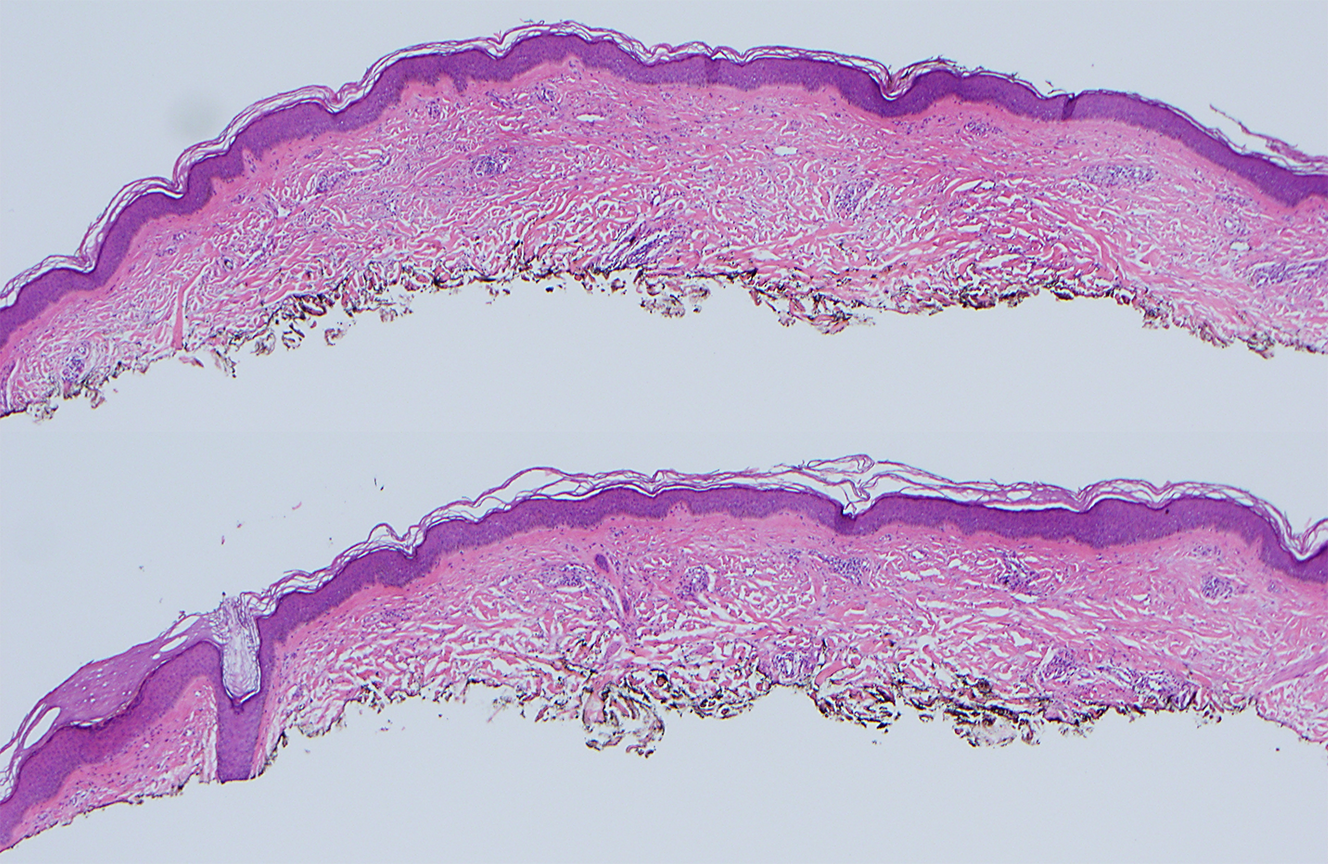
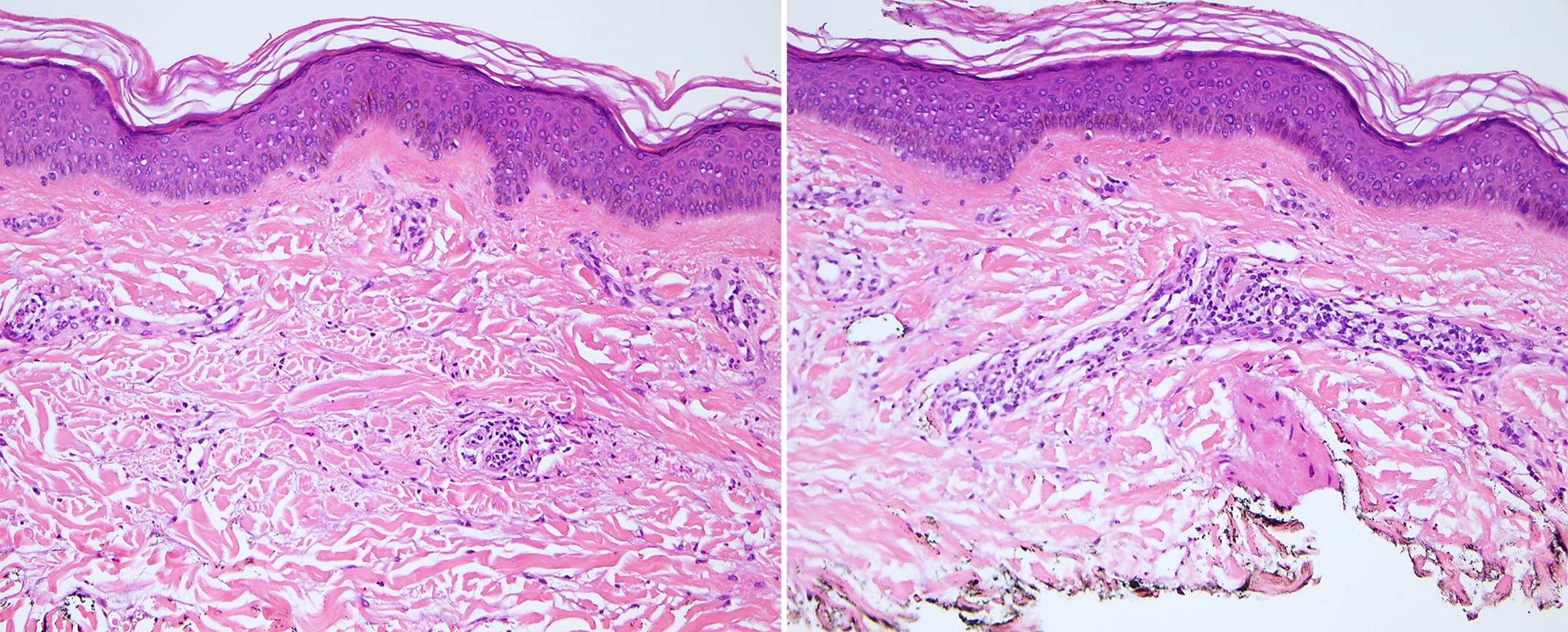
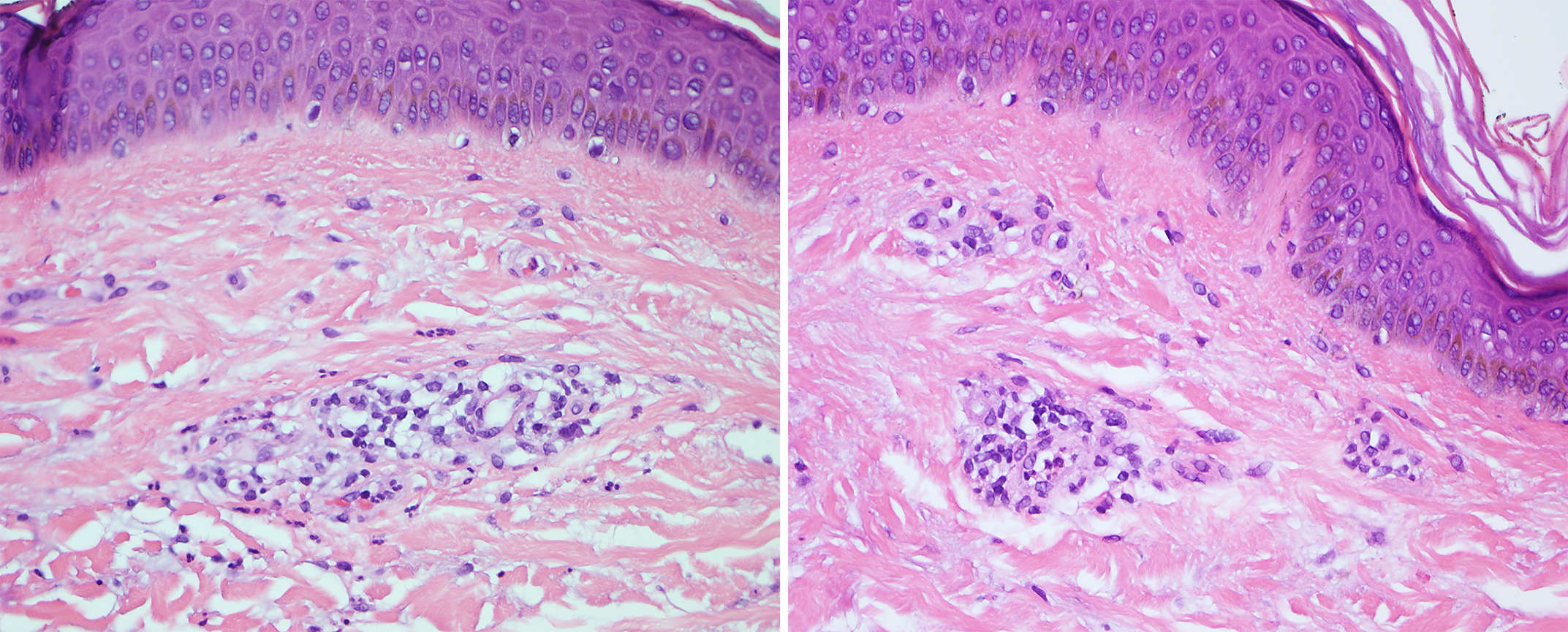
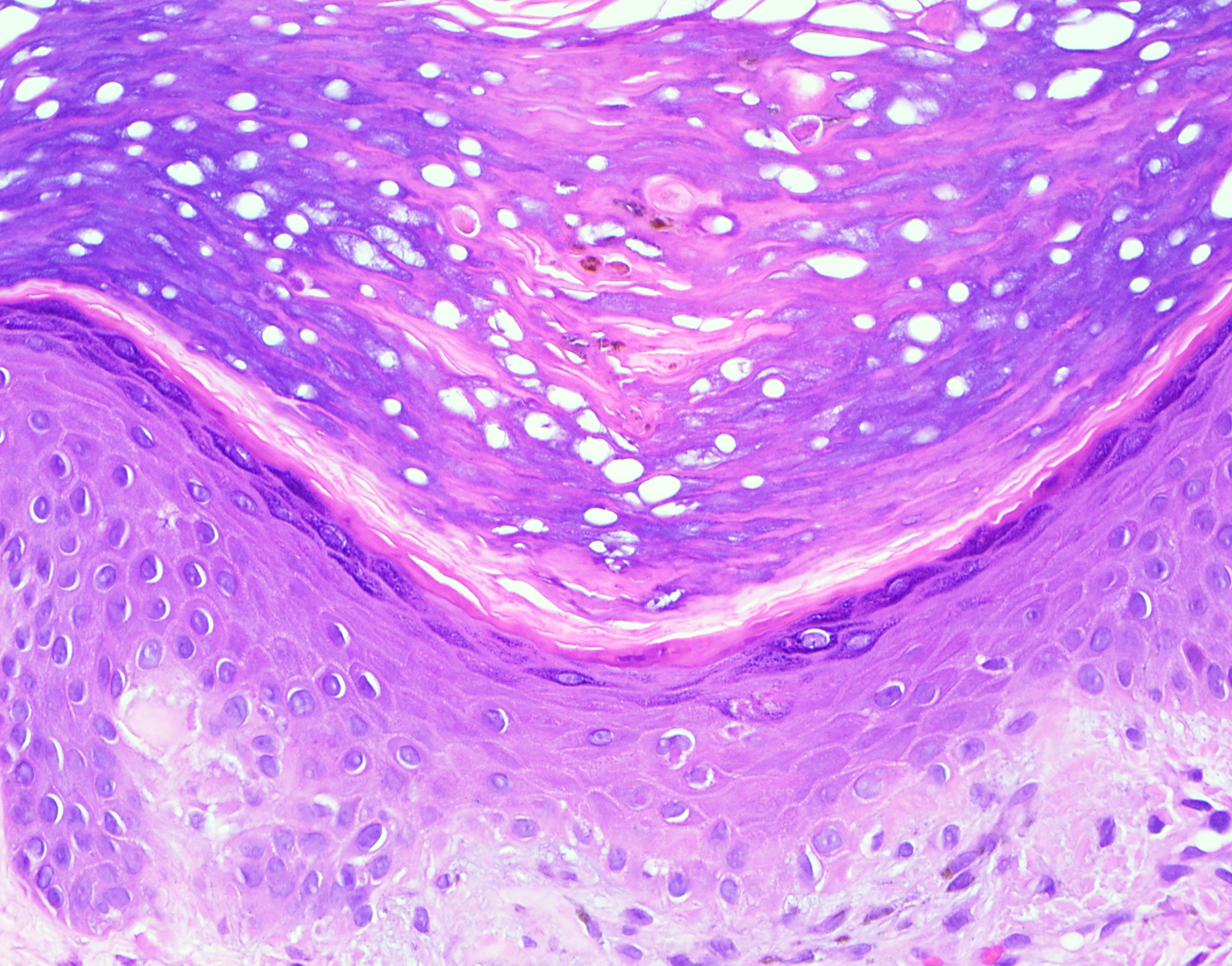
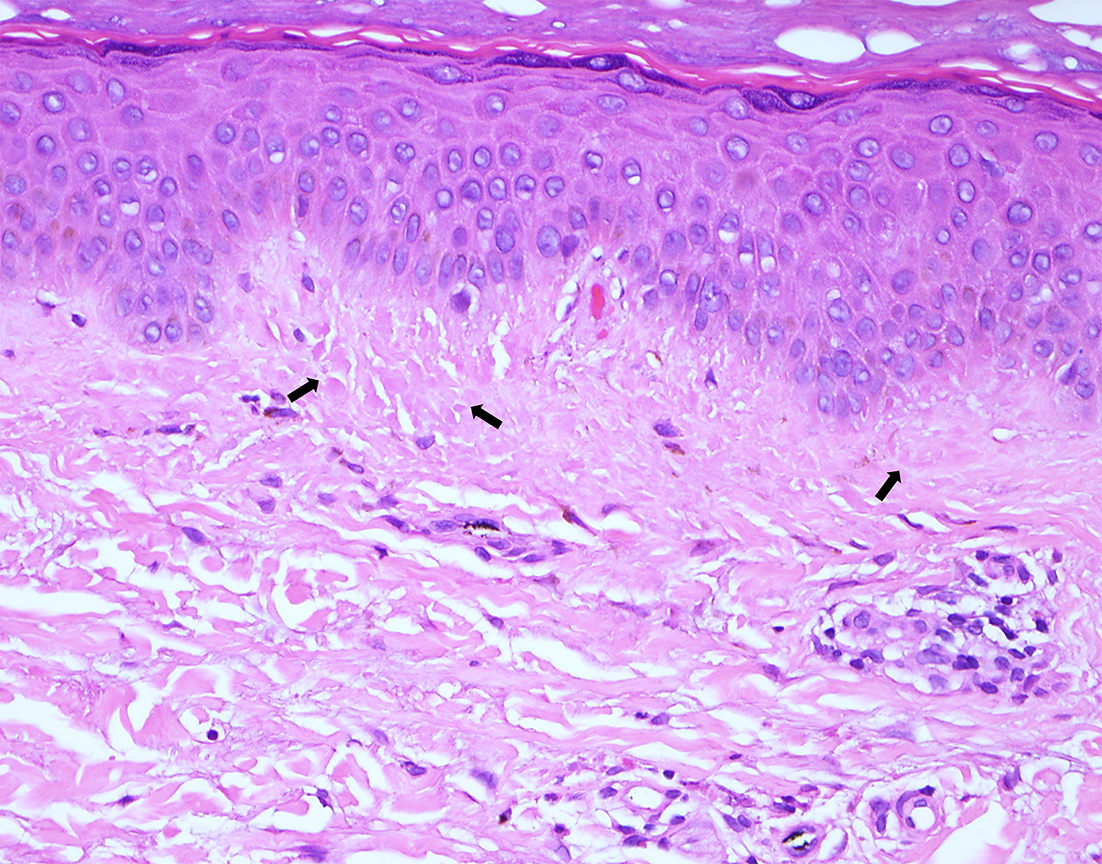
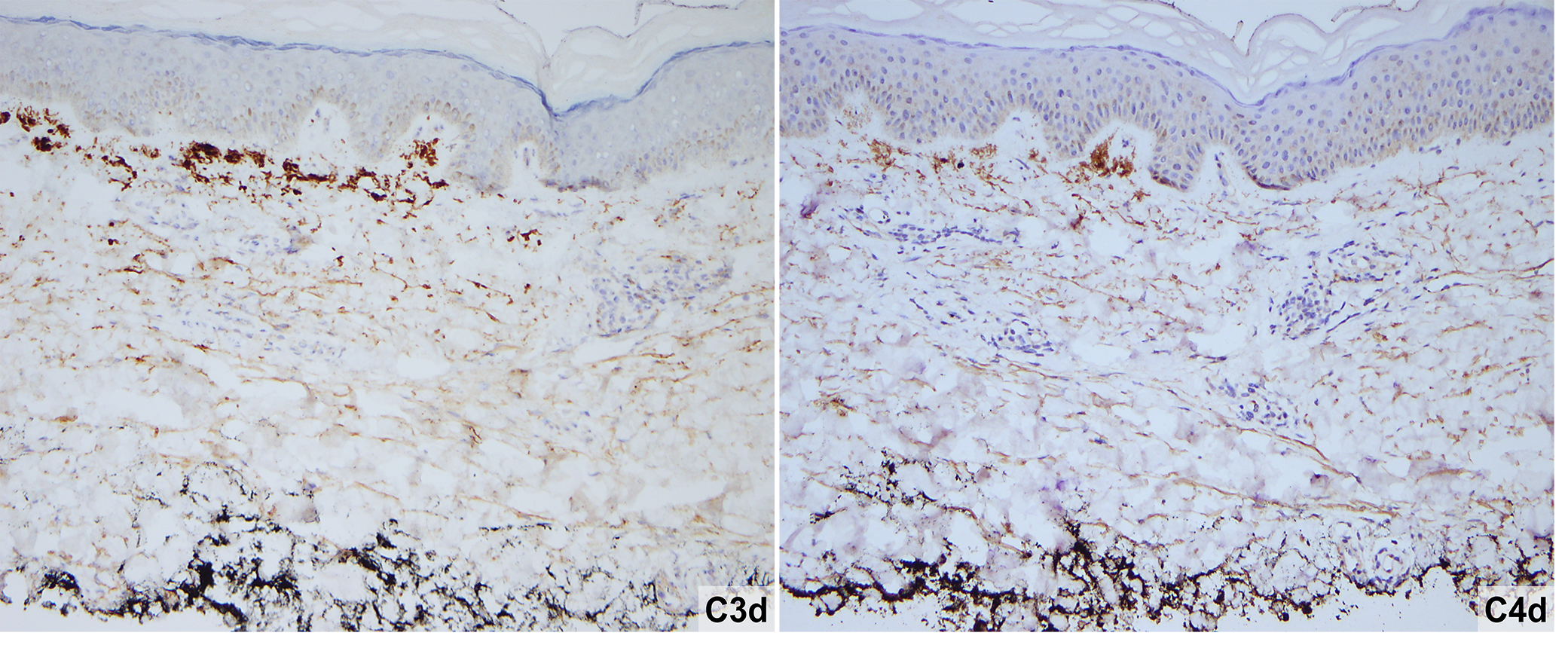
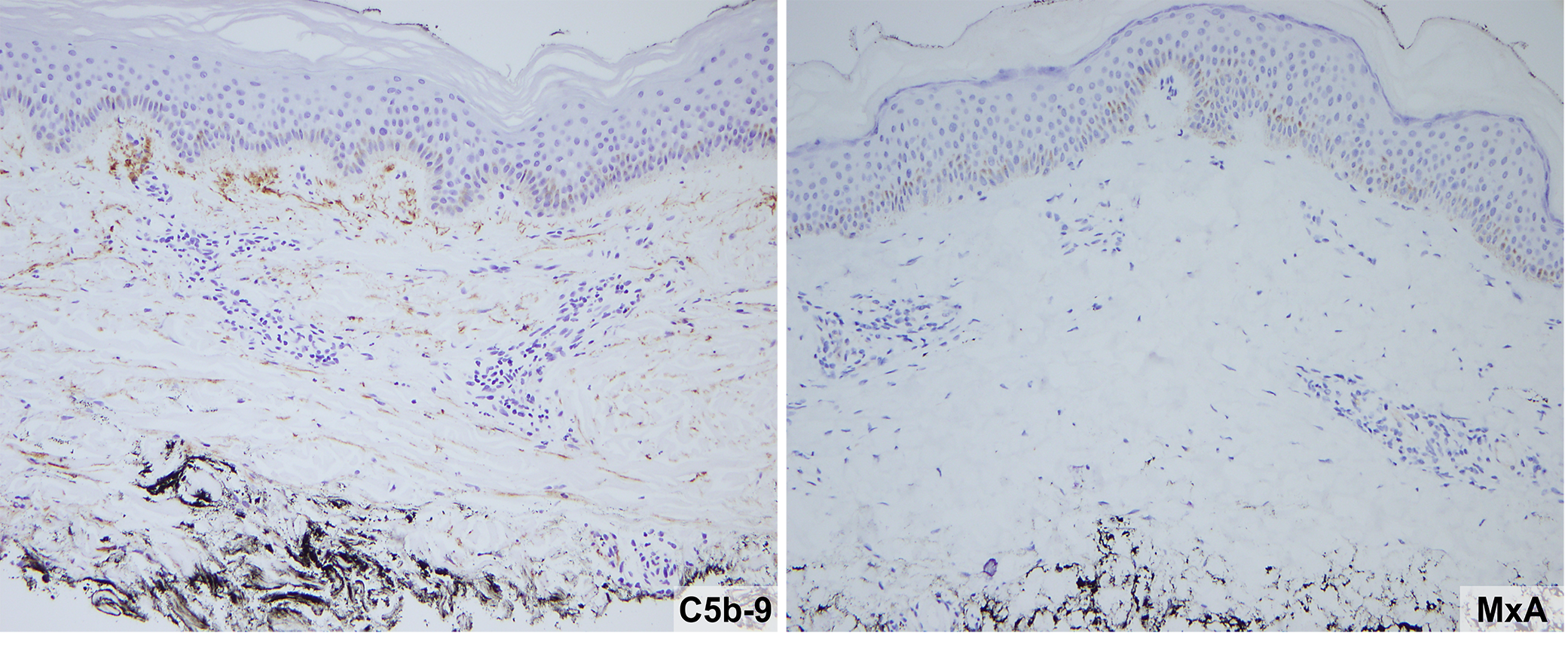
Urticarial leukocytoclastic vasculitis is a clinicopathologic form of cutaneous small-vessel vasculitis characterized by recurrent urticarial or hive-like lesions with histologic evidence of vascular injury. In contrast to conventional urticaria, individual lesions typically persist for more than 24 hours and may be associated with burning or pain, purpura, or residual hyperpigmentation. Histologically, there is a predominantly neutrophilic perivascular and interstitial infiltrate with leukocytoclasia, erythrocyte extravasation, endothelial and vessel wall injury, and variable fibrin deposition. Urticarial vasculitis may be classified as normocomplementemic or hypocomplementemic according to serum complement levels; hypocomplementemic disease is more frequently associated with systemic involvement and may be associated with anti-C1q antibodies. Urticarial vasculitis may be idiopathic or occur in association with medications, infections, autoimmune disorders, and hematologic diseases or malignancies.
Click images to begin the slideshow