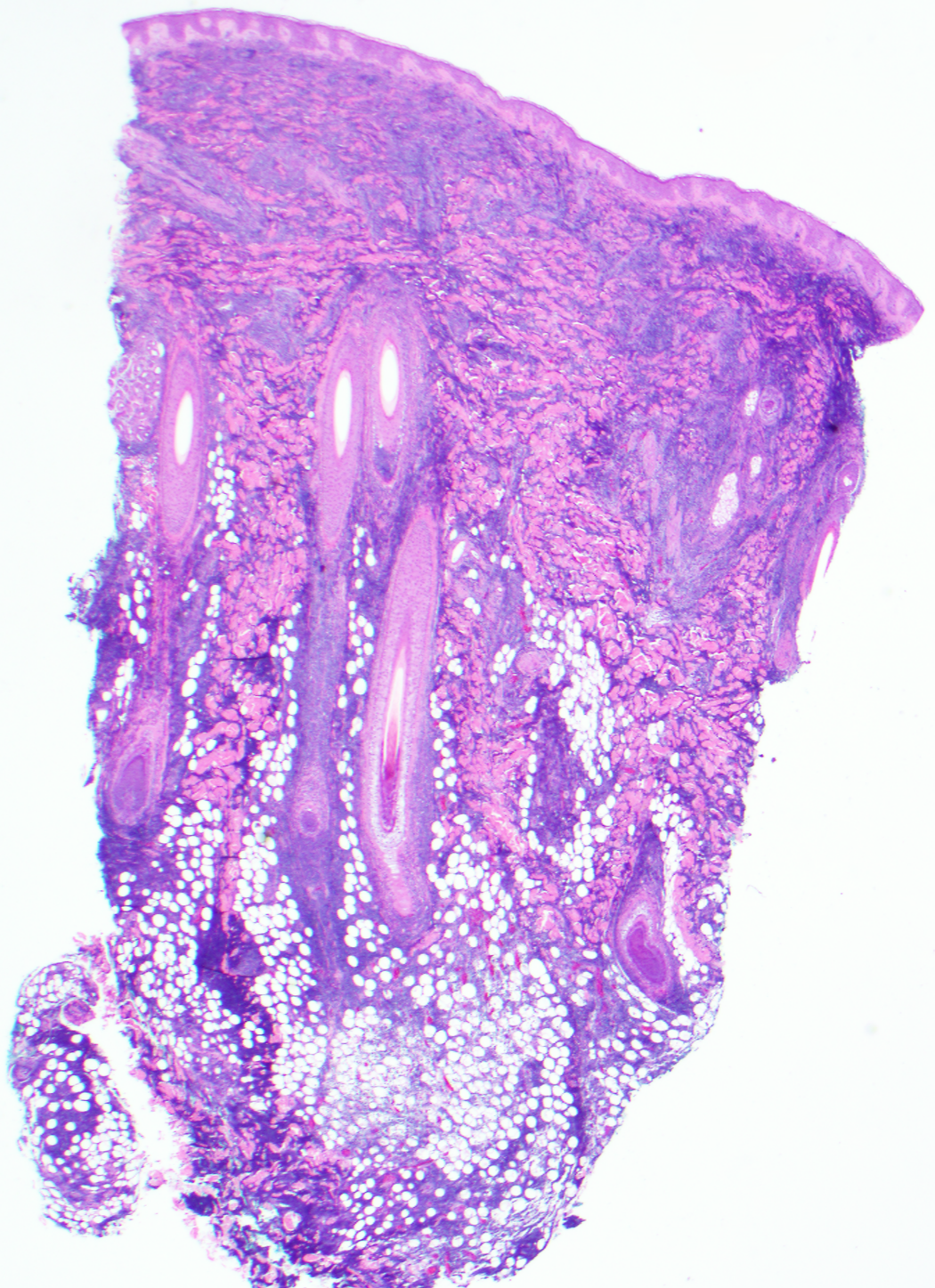
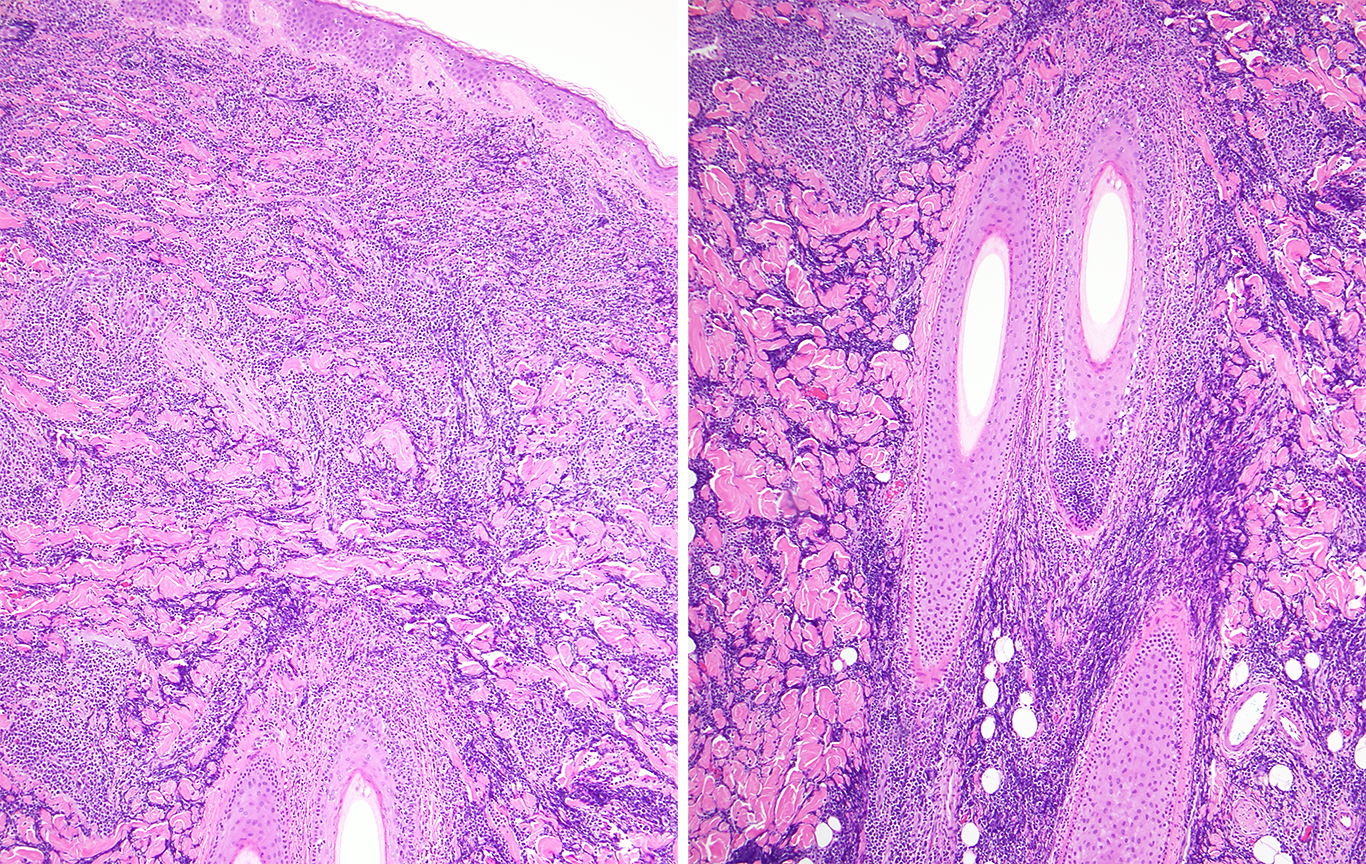
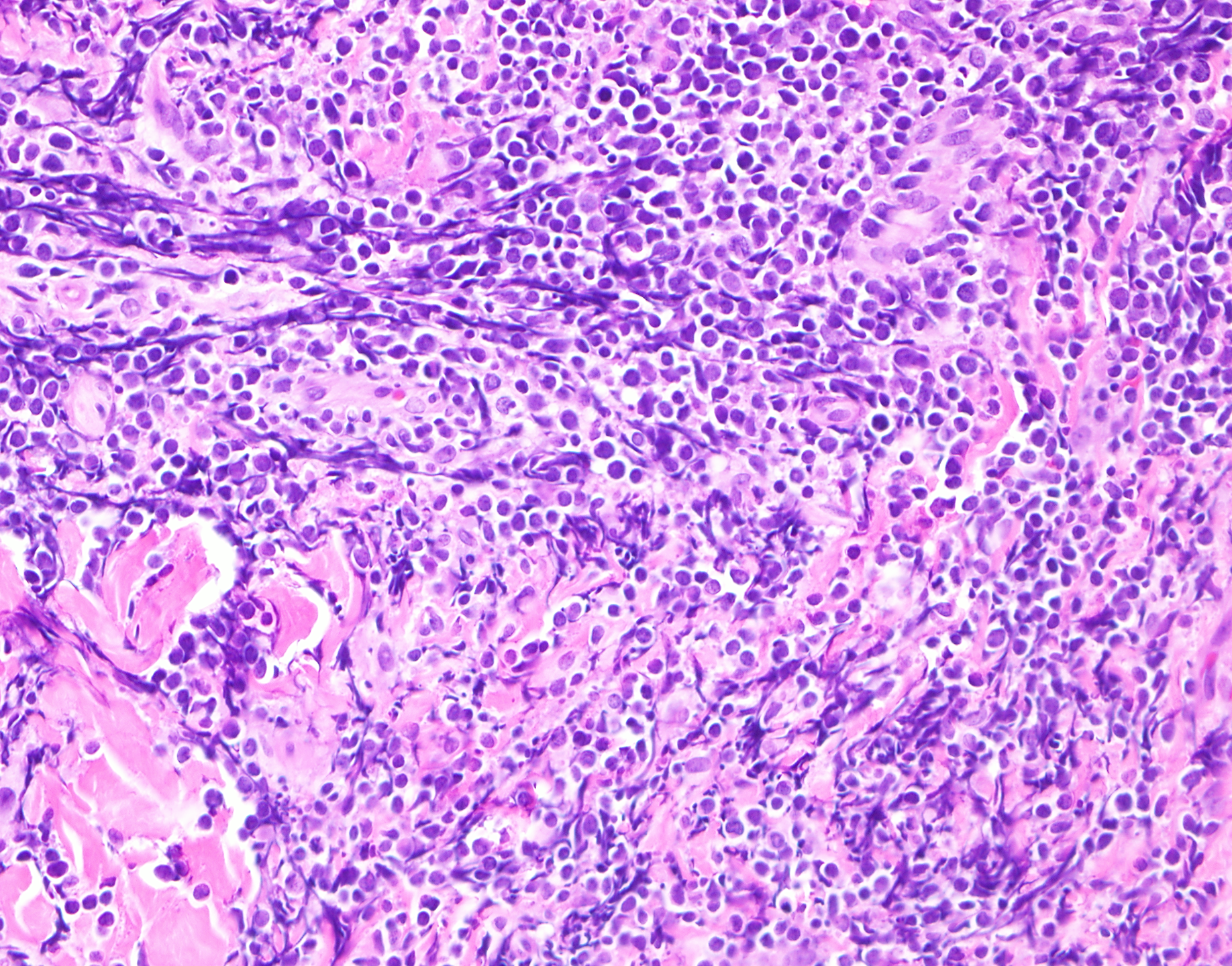
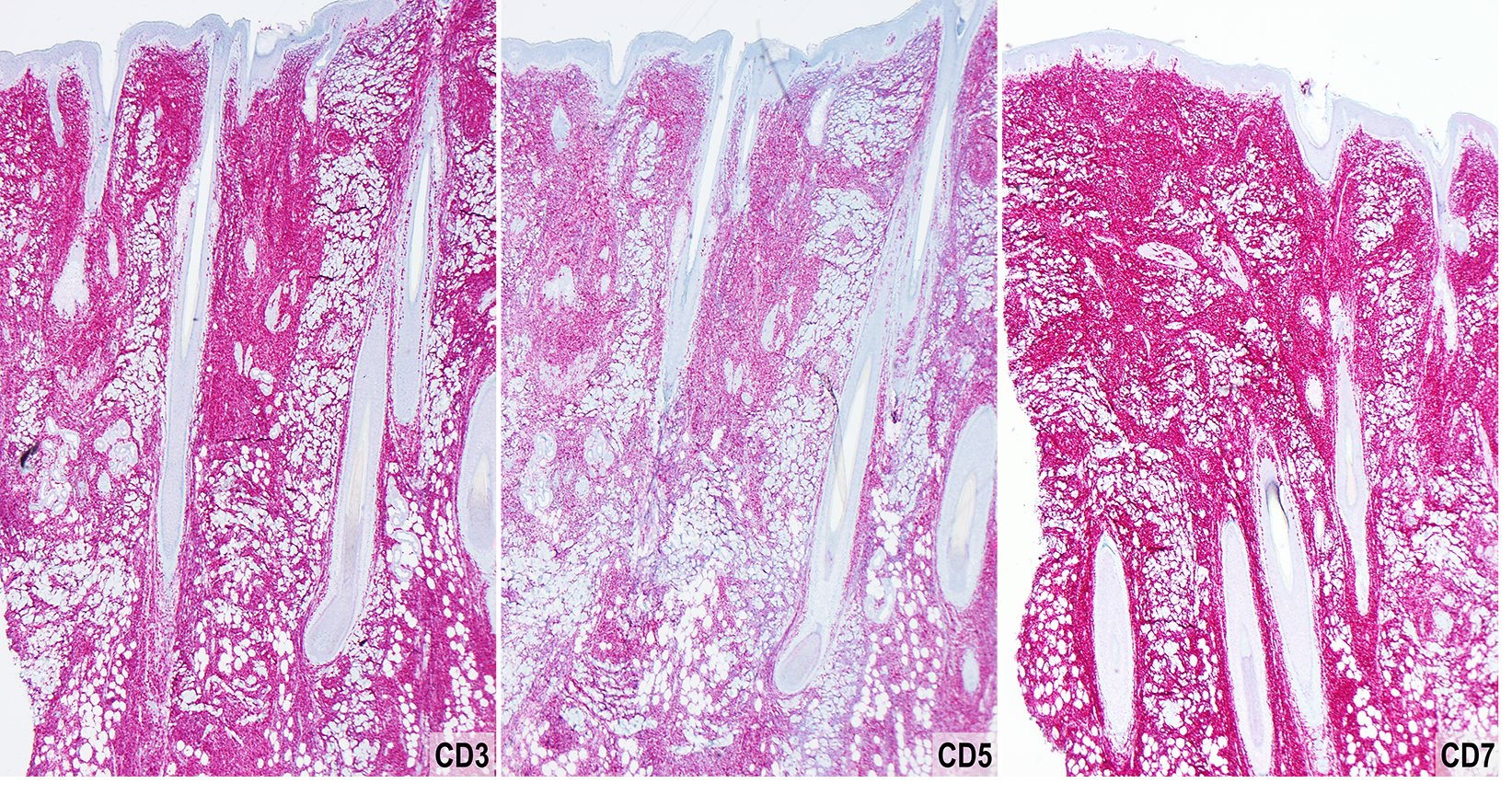
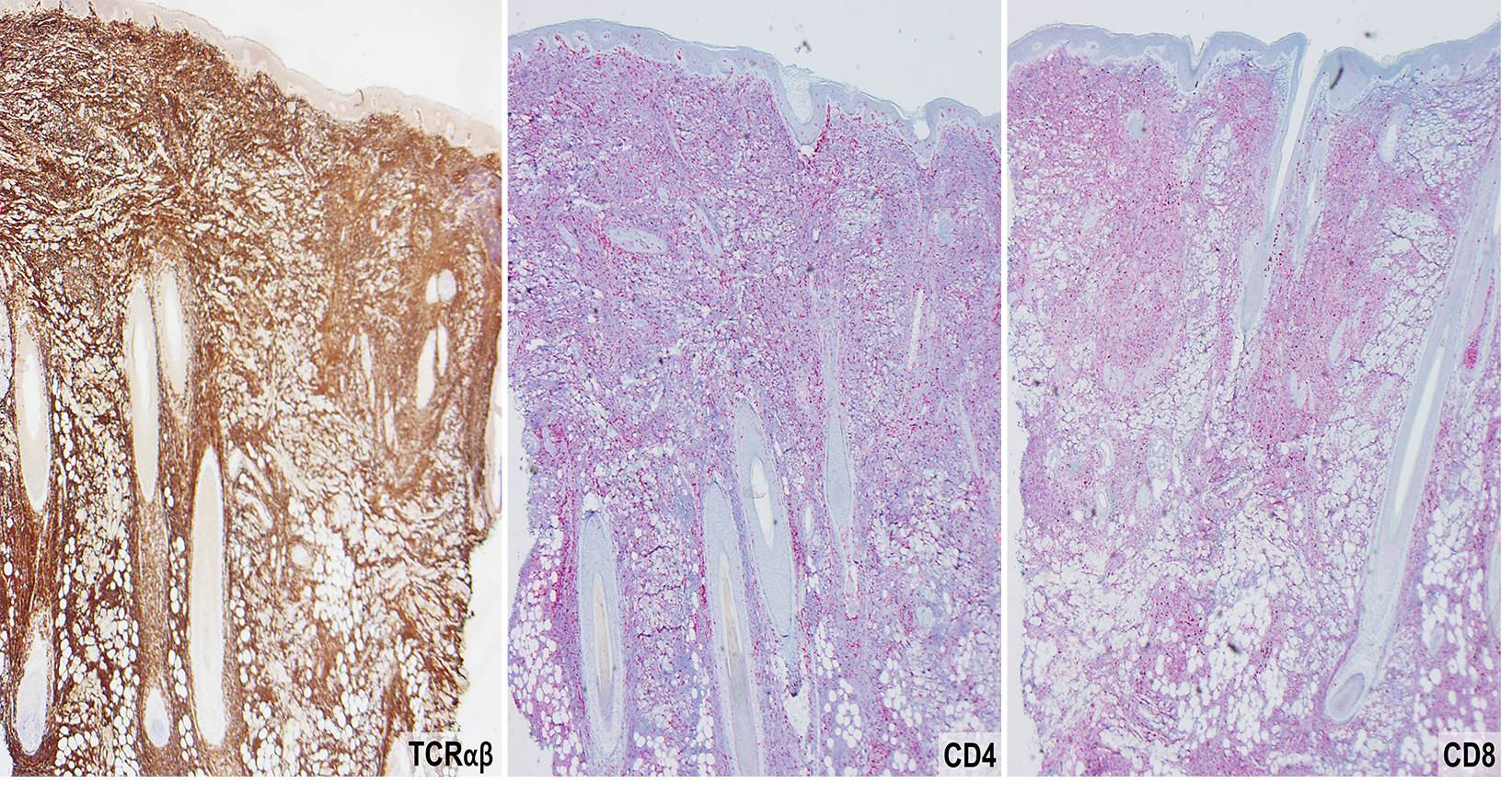
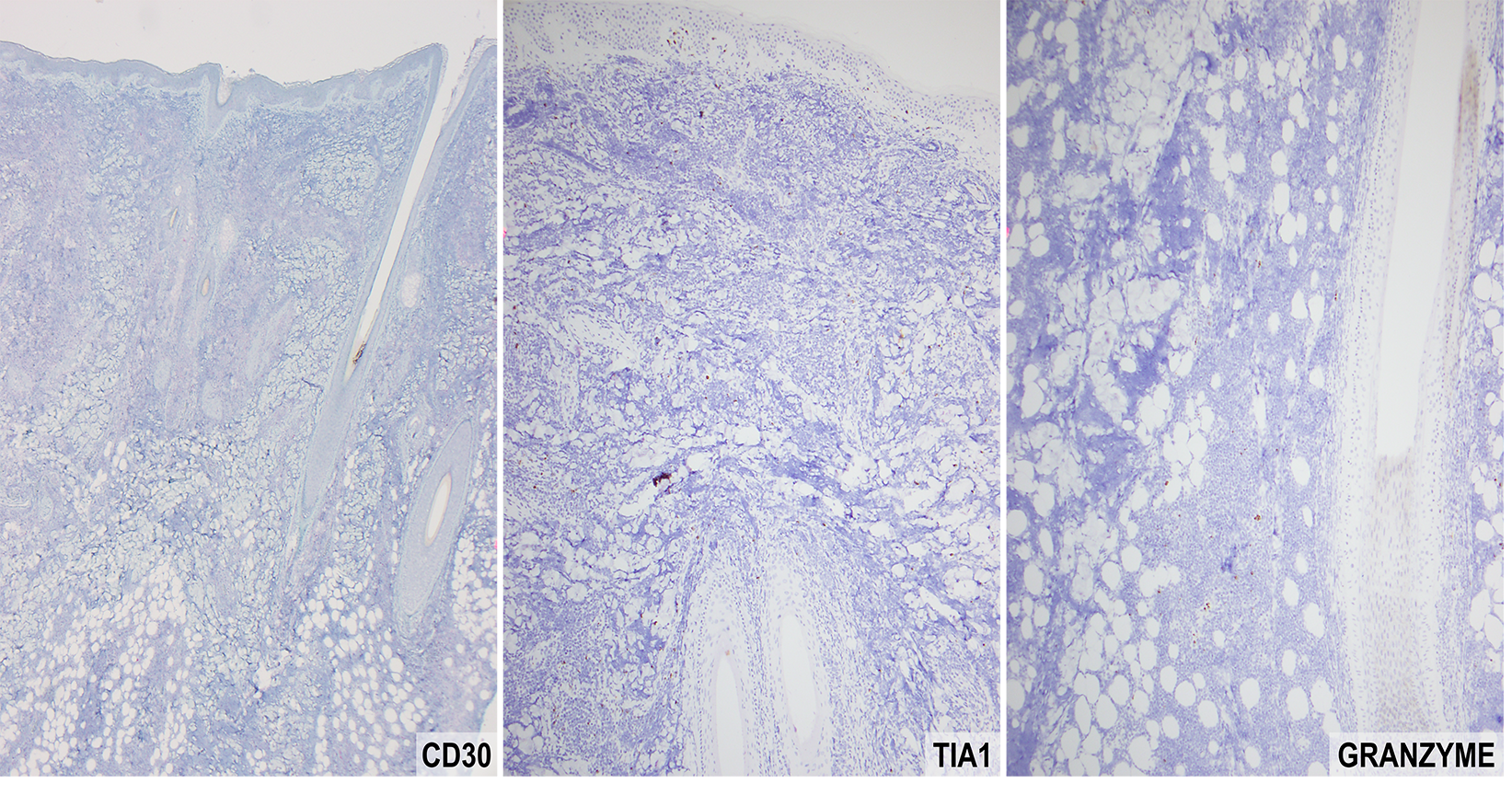
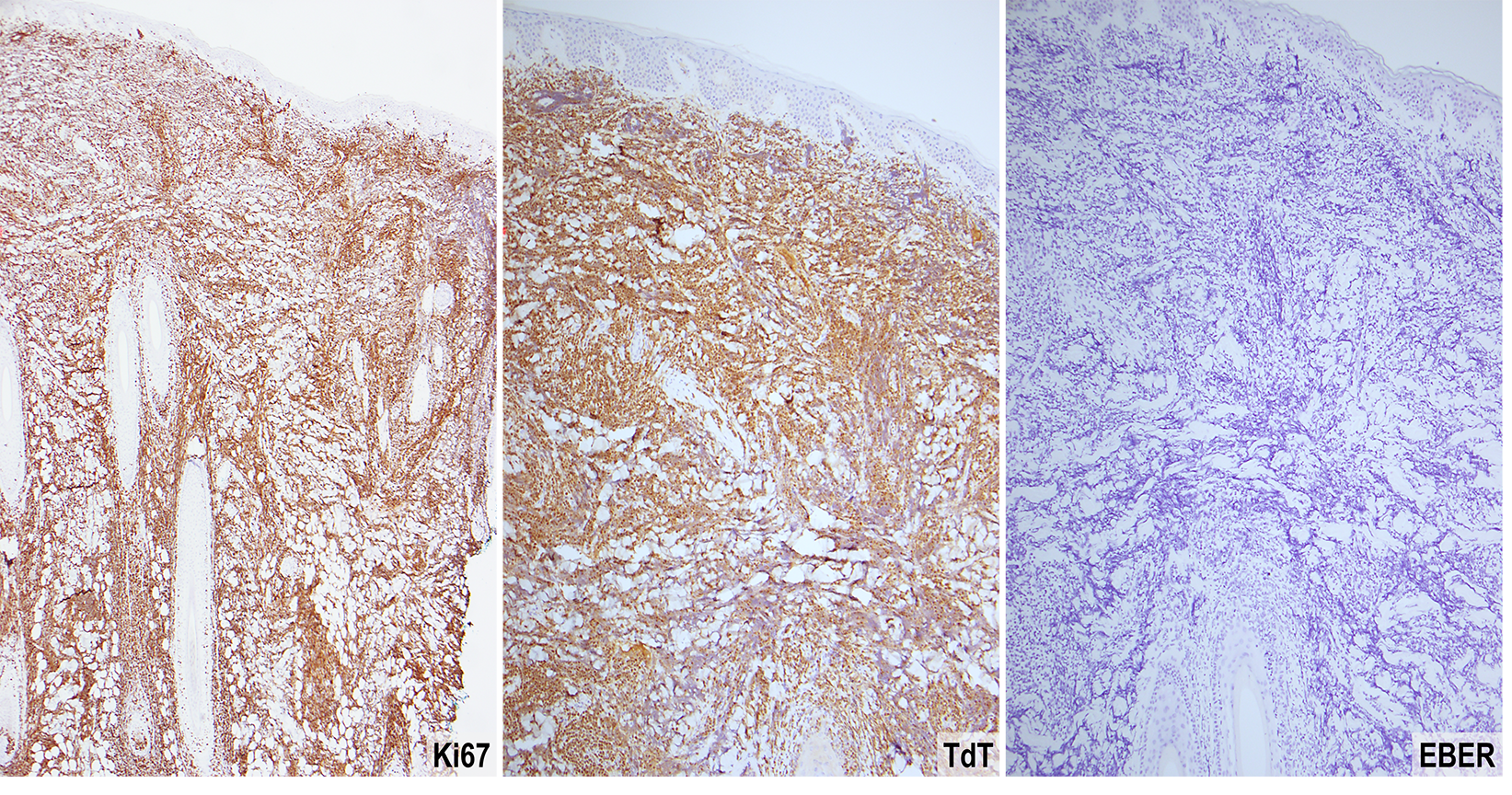
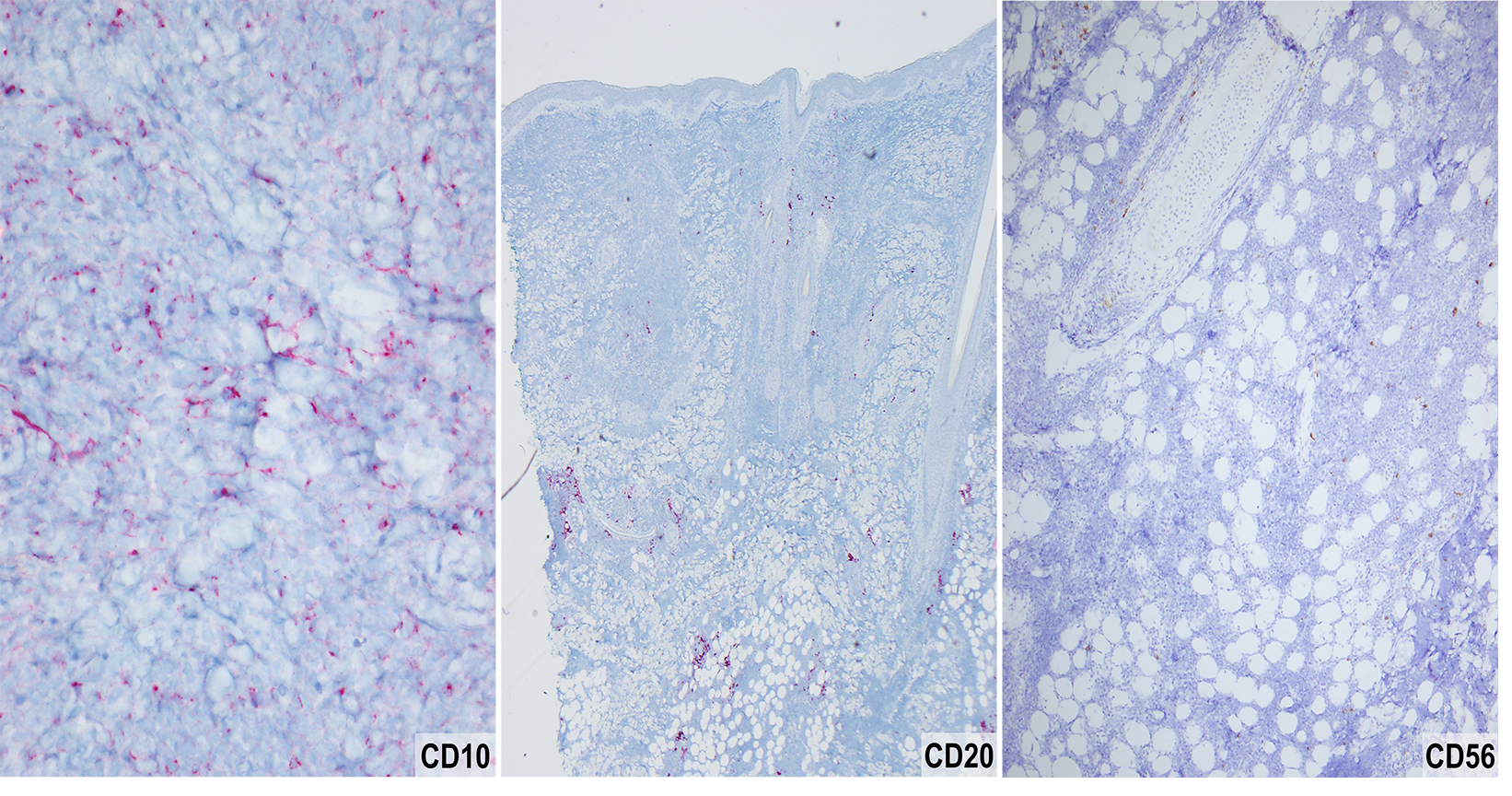
T-cell lymphoblastic lymphoma/leukemia is an aggressive neoplasm of immature T-lineage lymphoblasts that most often affects adolescents and young adults and frequently presents with an anterior mediastinal mass, reflecting the close relationship of the neoplastic cells to stages of thymocyte differentiation. Cutaneous involvement is rare and generally occurs in the setting of systemic disease, although exceptional primary cutaneous cases have been reported. Histologically, cutaneous involvement is characterized by a dense dermal and/or subcutaneous infiltrate of intermediate-sized to large blastic lymphoid cells with high proliferative activity. The neoplastic cells typically express T-lineage markers such as CD3, CD5, and CD7 together with markers of immaturity such as TdT. The immunophenotype may recapitulate different stages of thymocyte maturation; CD4/CD8 double positivity and variable expression of CD1a and CD10 may be seen in tumors with intermediate or cortical thymocyte-like differentiation. CD1a is a more characteristic marker of conventional cortical thymocytes, whereas CD10 expression is variable and should be interpreted in conjunction with the overall immunophenotypic profile.
Click images to begin the slideshow