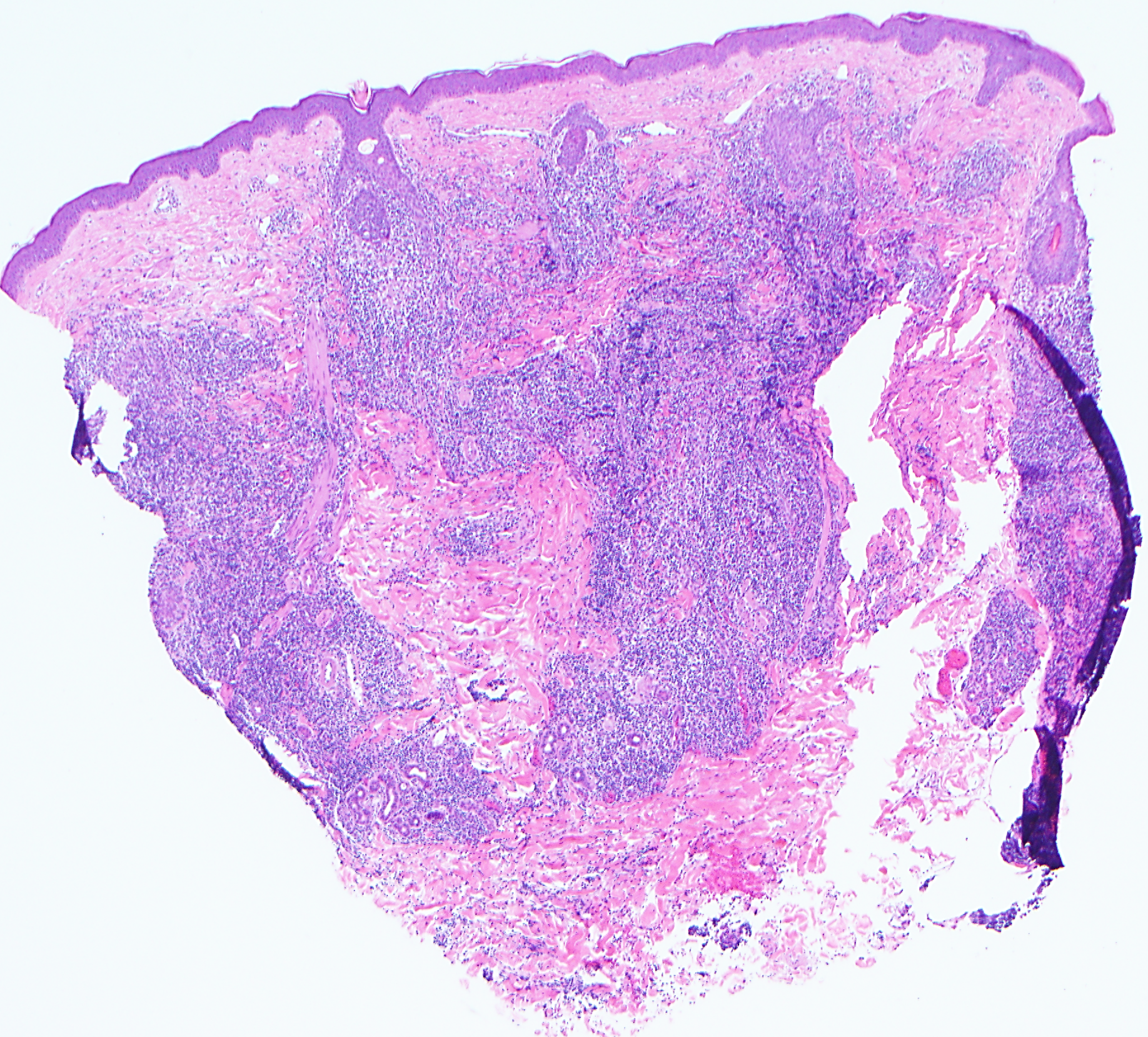
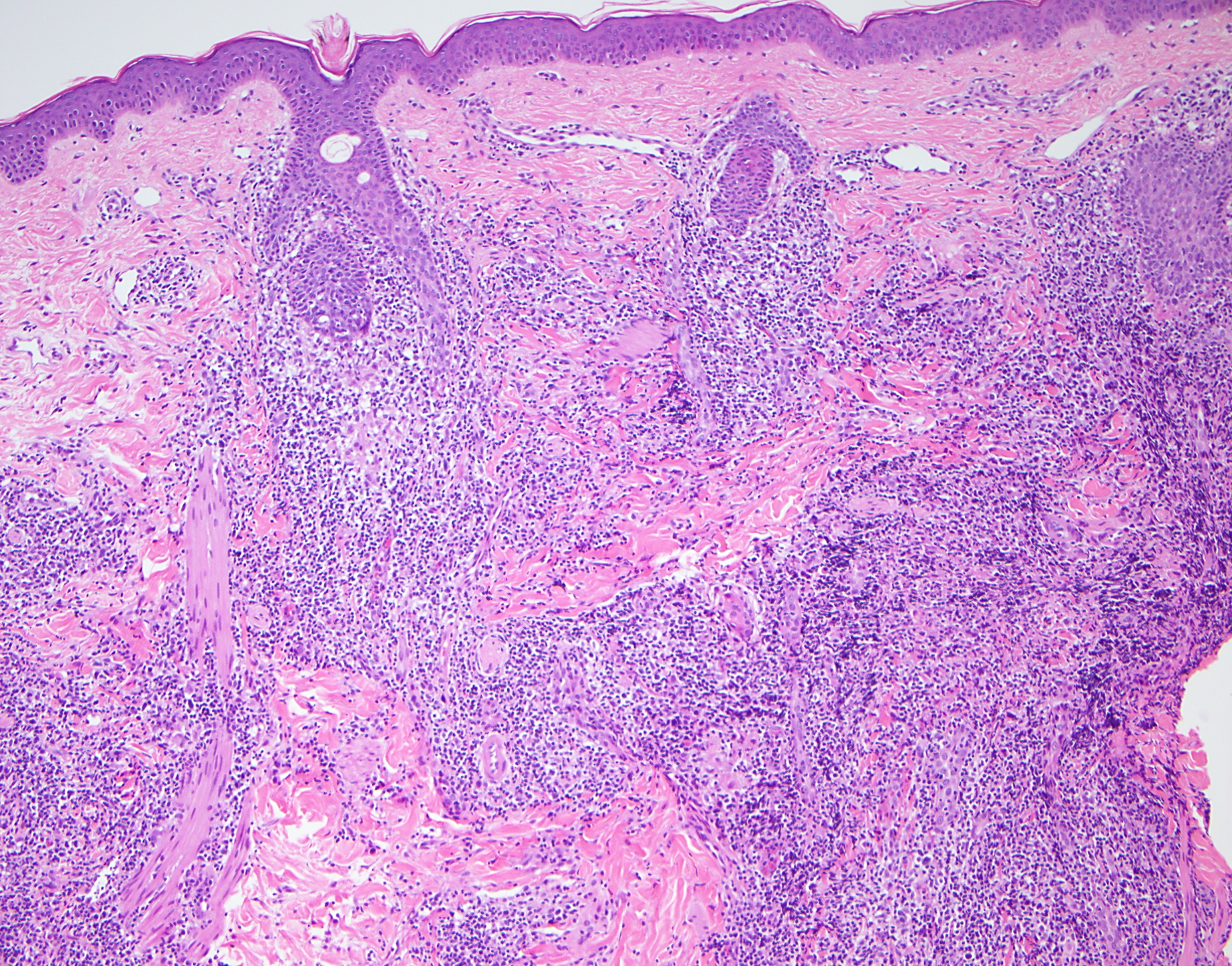
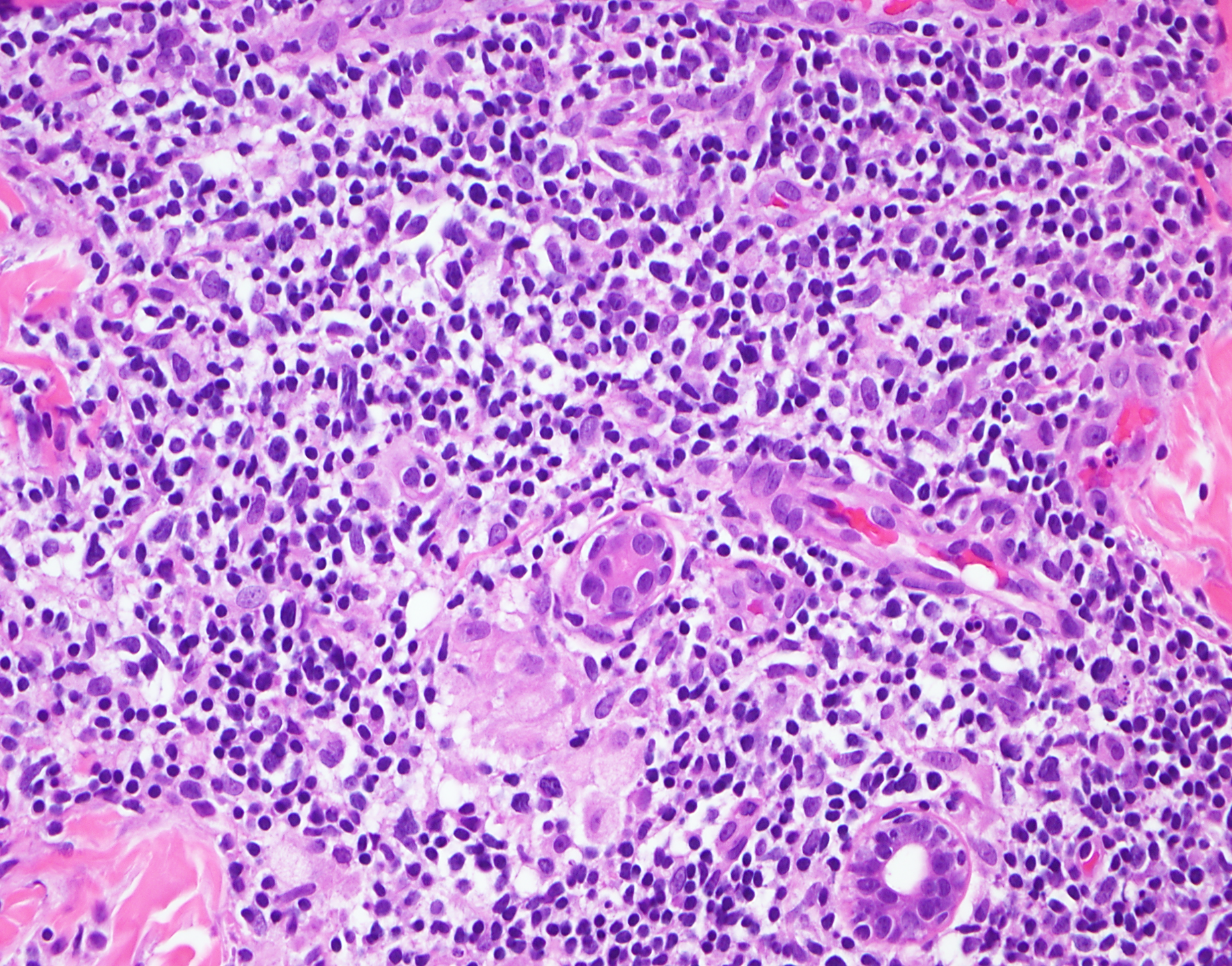
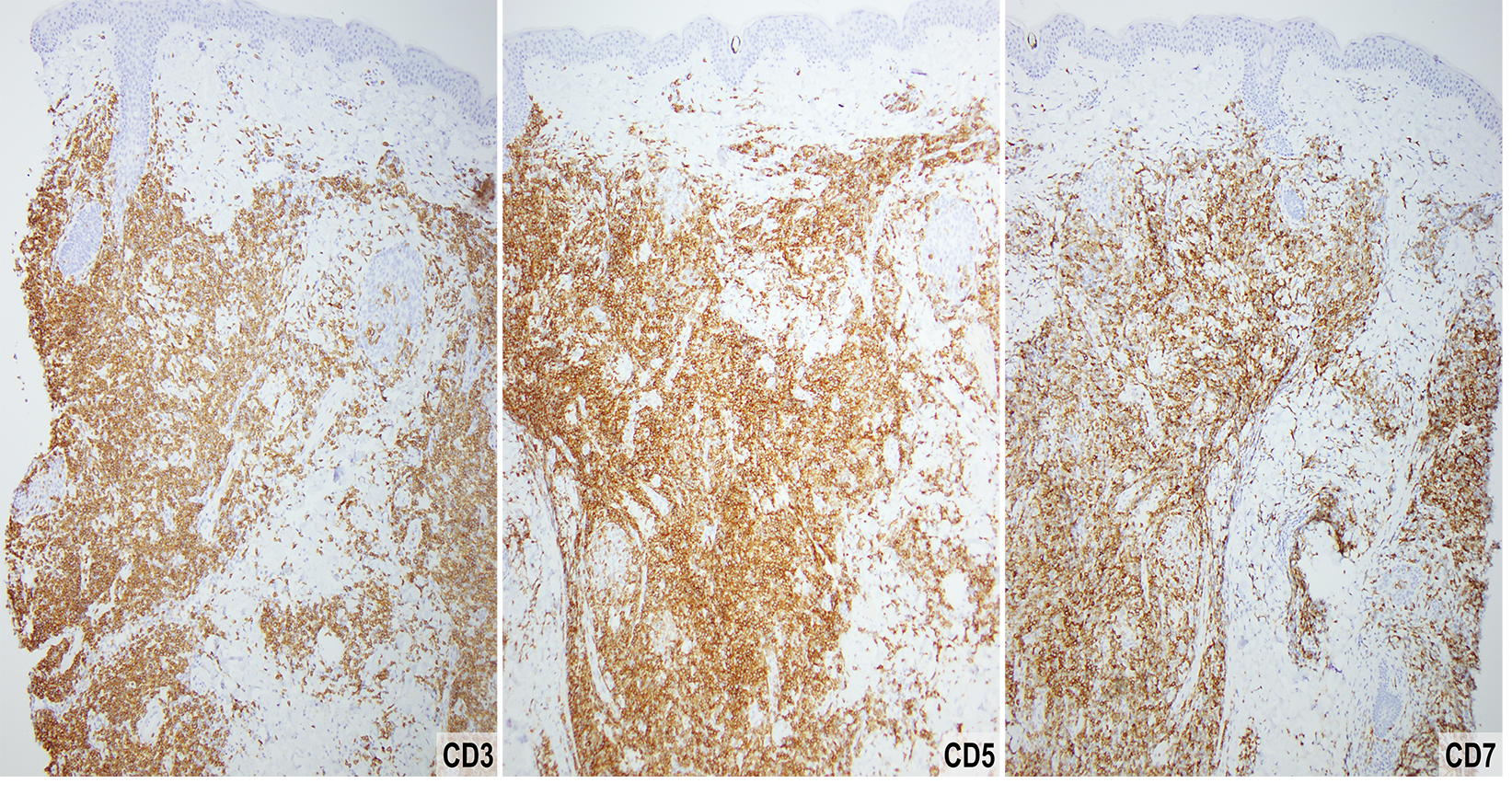
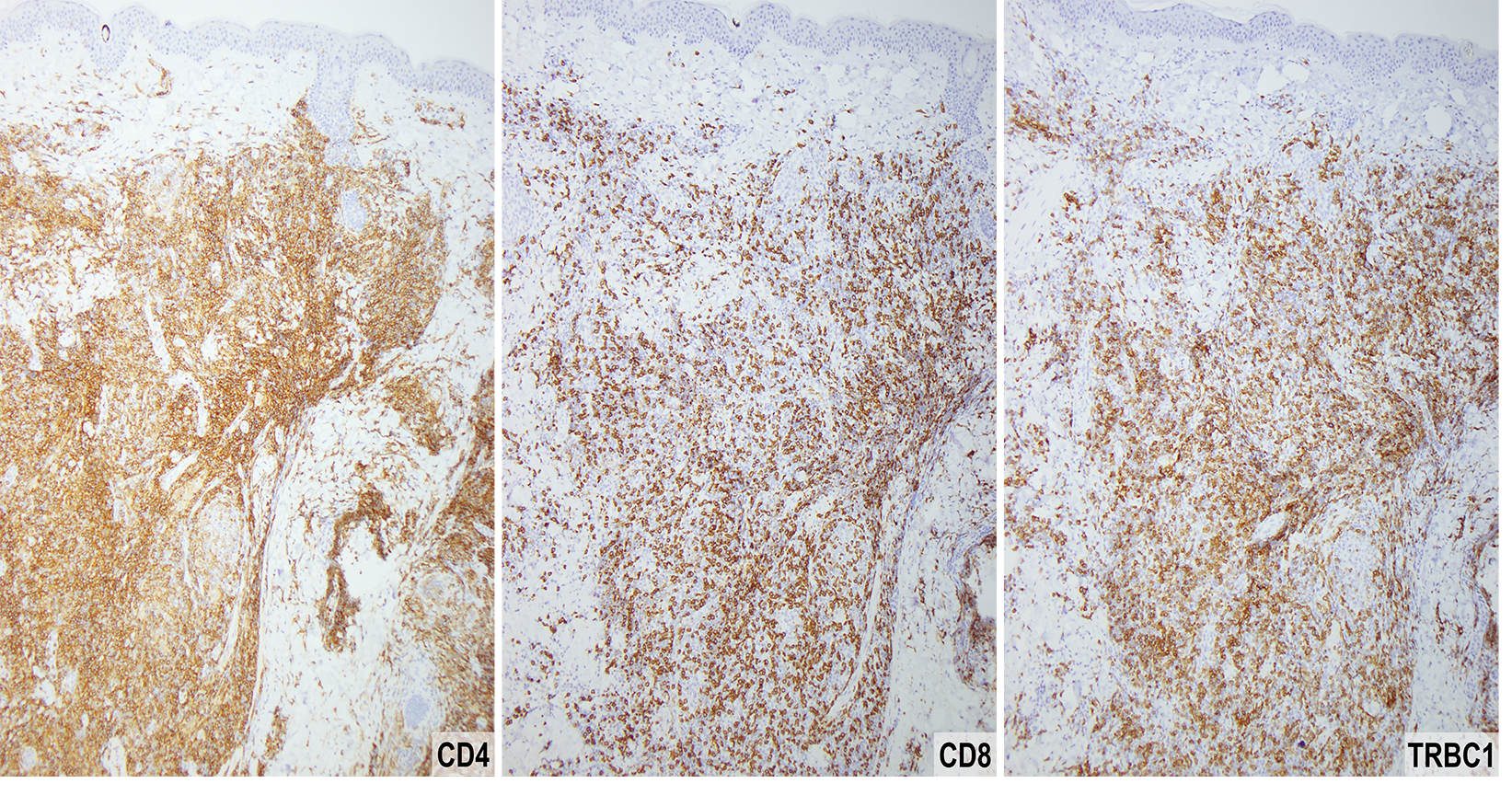
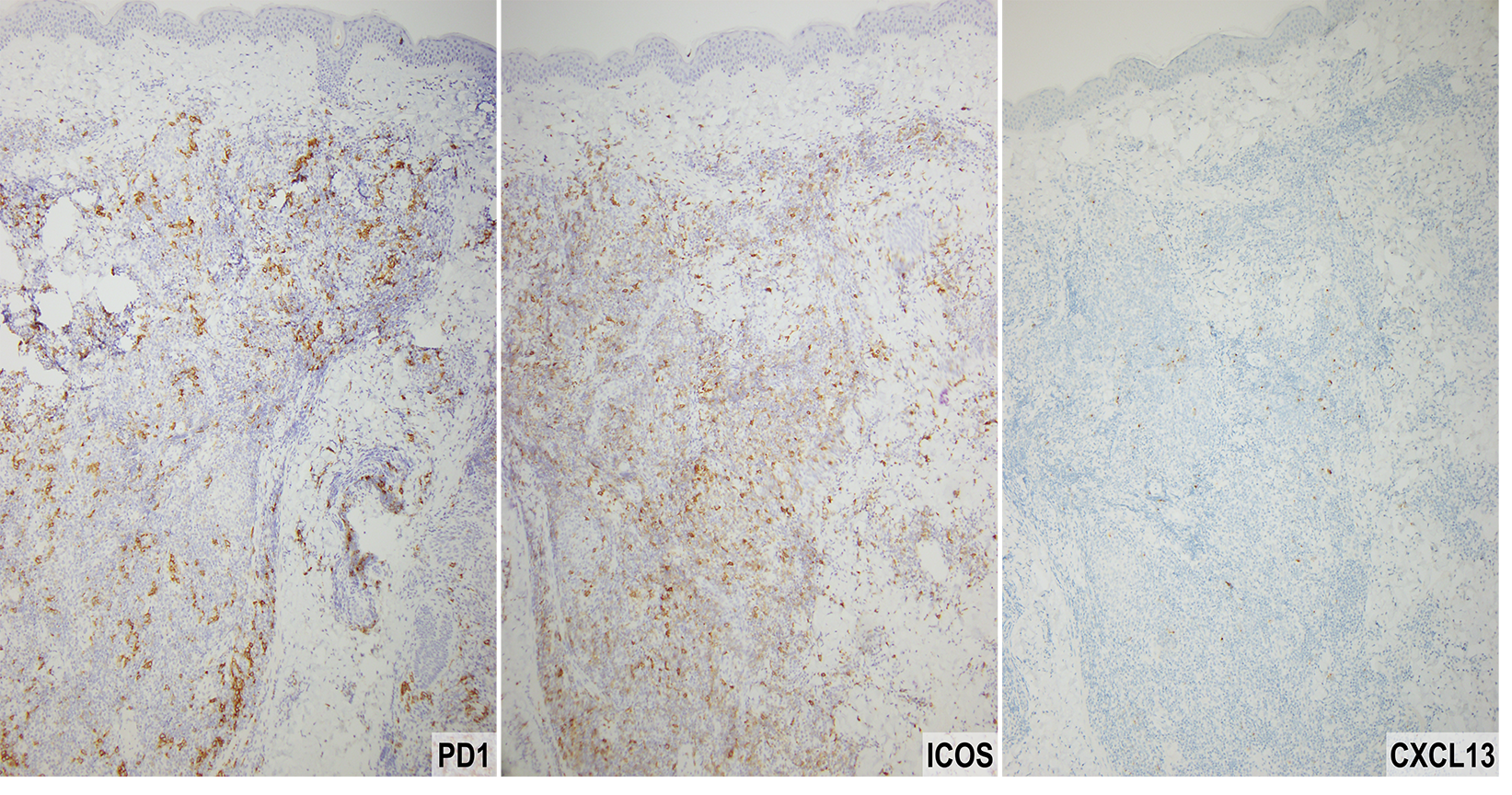
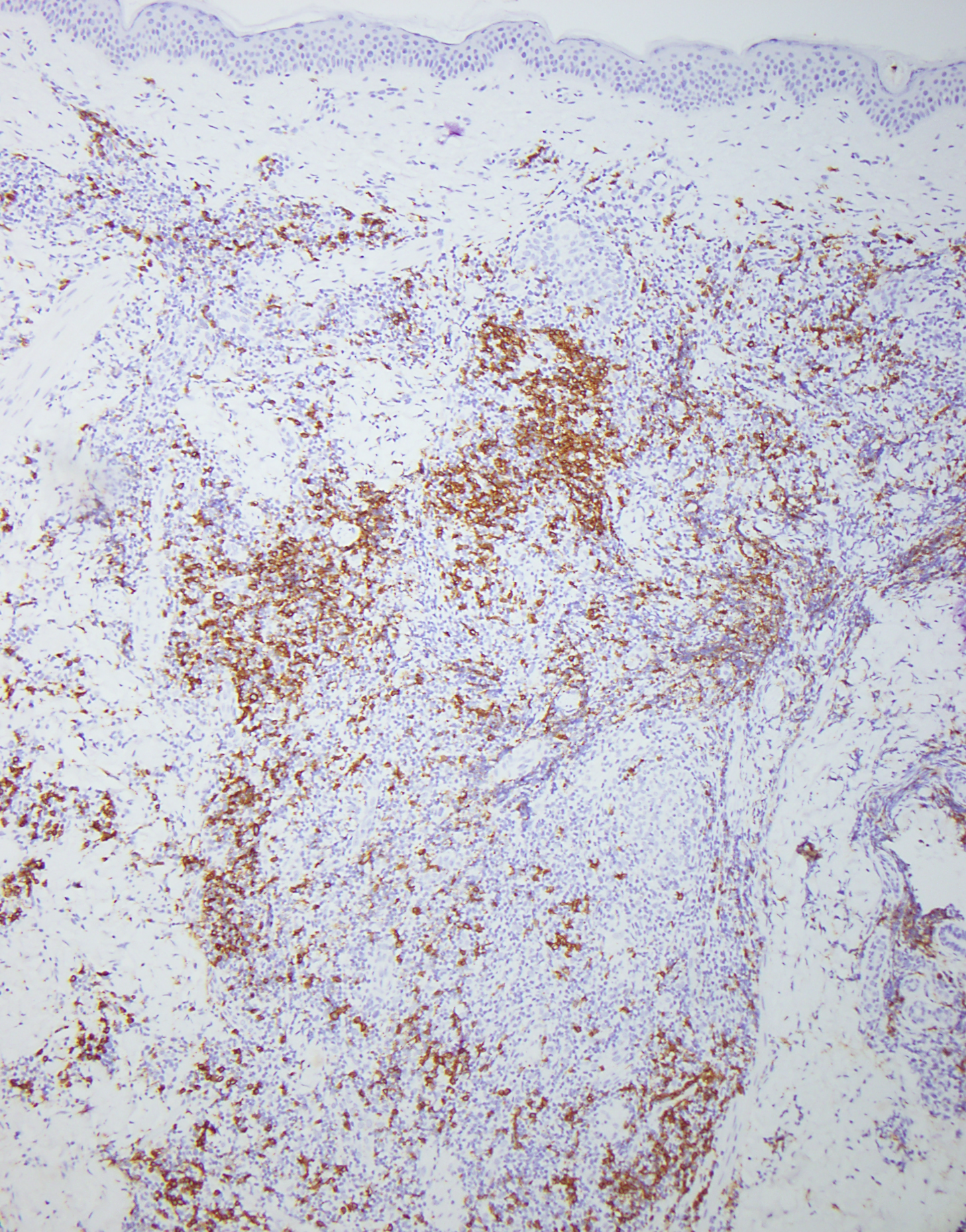
Cutaneous pseudolymphoma is a benign reactive lymphoid proliferation that can clinically and histologically mimic cutaneous lymphoma. It may arise in response to antigenic stimuli such as arthropod bites, infections, trauma, tattoos, vaccinations, or medications. Histologically, it may show a dense superficial and deep lymphoid infiltrate with a nodular or multinodular architecture, a grenz zone, adnexal accentuation, and a mixed inflammatory background that may include histiocytes, plasma cells, and granulomatous foci. T-cell–predominant pseudolymphomas may closely mimic cutaneous T-cell lymphoproliferative disorders, particularly primary cutaneous CD4-positive small/medium T-cell lymphoproliferative disorder and mycosis fungoides. Features favoring a reactive process include preservation of pan-T-cell markers, a non-aberrant CD4:CD8 ratio, limited expression of follicular helper T-cell markers, and lack of convincing T-cell clonality, although these findings should be interpreted in conjunction with the clinical and morphologic features.
Click images to begin the slideshow